

Mission
Rescue in Blue exists for one purpose: to find enslaved children and free them from the grip of human trafficking. On the front lines of this fight are local law enforcement — the police, sheriffs, and investigators who have the authority to arrest predators and rescue victims. But most departments lack the specialized training, tools, and technology needed to identify trafficking when they encounter it. Rescue in Blue closes that gap. We deploy a team of specialists — led by retired Delta Force Lieutenant Colonel Jeff Tiegs — to train and equip officers with the skills, software, and operational support they need to recognize trafficking, arrest predators, and rescue enslaved children.
The Hidden Training Gap
Most officers are never taught:
What trafficking looks like during real-world encounters
How traffickers recruit, control, and exploit their victims
How to recognize behavioral indicators of exploitation
How to identify and track buyers who fuel the demand for trafficking
How to use specialized tools and technology to detect trafficking activity
How to build a case against offenders and interact with traumatized victims without causing further harm
The cost of that gap is measured in children's lives.
Rescue in Blue exists to close it.
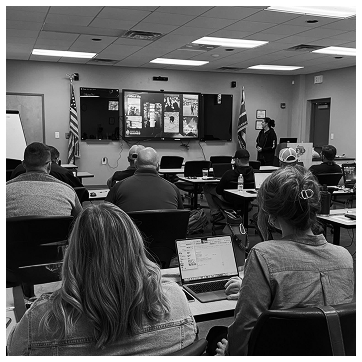
Our Approach
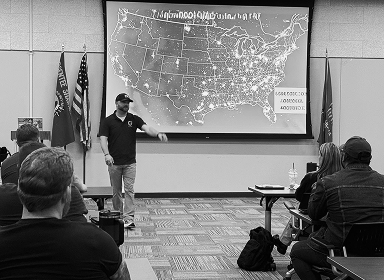
2-Day Training
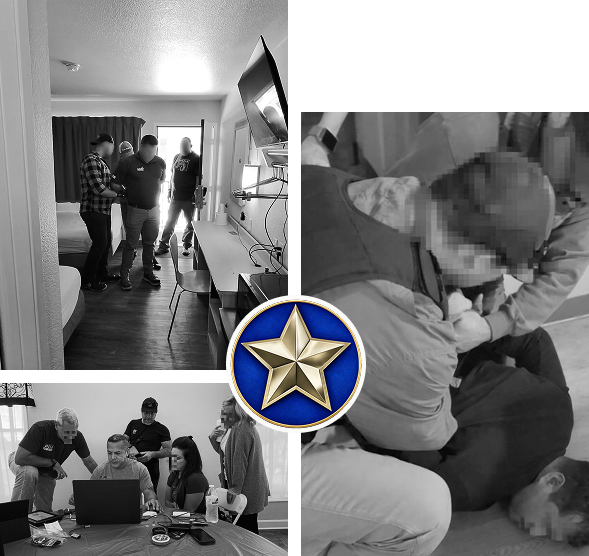
Officers receive intensive, hands-on training using state-of-the-art software and specialized tools unavailable to most departments. They learn to recognize trafficking behavior, identify buyers, understand how predators operate, and build prosecutable cases that hold up in a courtroom.

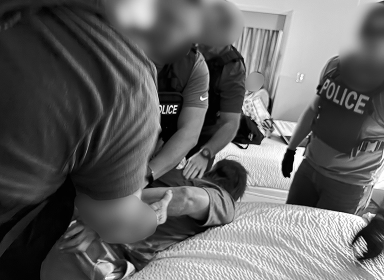
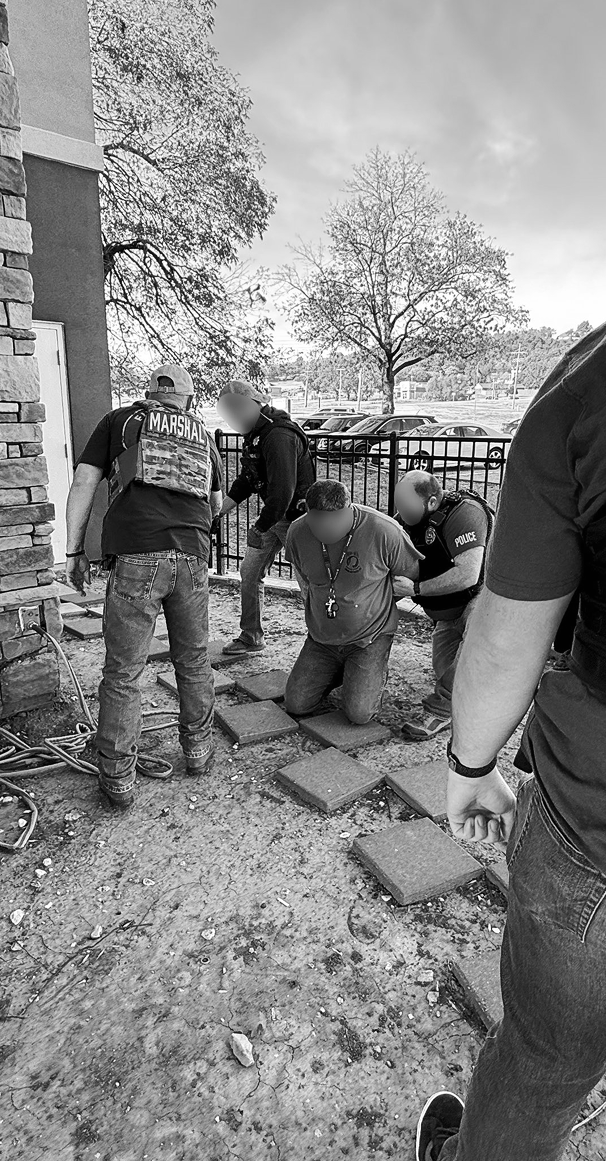
1-Day Deployment
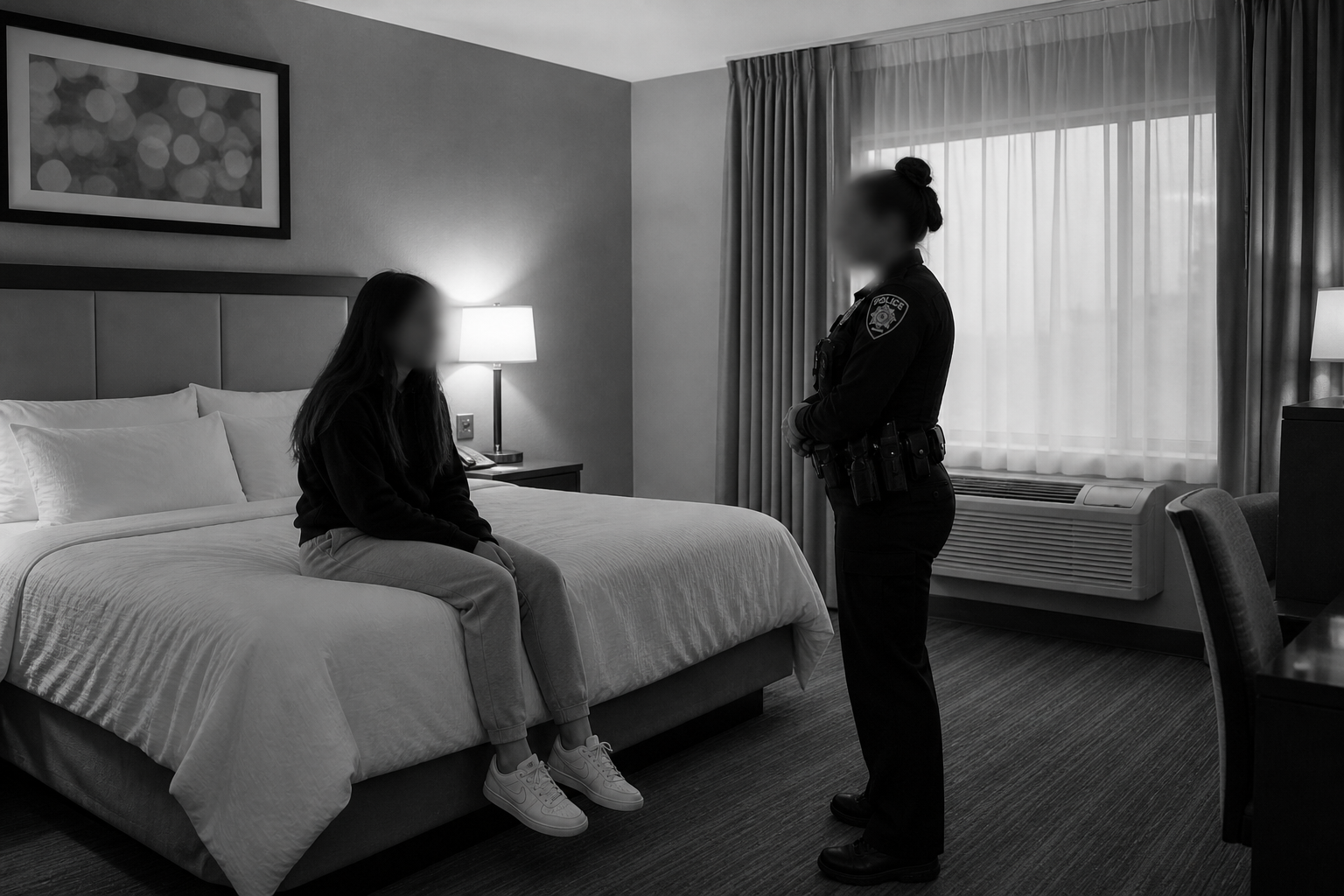
Why Training Matters
Every day, law enforcement officers encounter trafficking victims during ordinary calls — traffic stops, hotel investigations, domestic disturbances, online exploitation cases. But without training, they don’t know what they’re looking at.
A single trained officer can change everything.
Throughout a career, one officer may respond to thousands of calls for service. When that officer knows the warning signs of trafficking, any one of those encounters could become the moment a child is recognized, rescued, and restored to freedom. That’s why training isn’t just important — it’s the difference between a child who is seen and a child who remains invisible.